Key Takeaways
- In the 2,339-patient Phase 3 TRIUMPH-1 trial, retatrutide cut body weight by 17.6% to 25.0% at 80 weeks, versus 3.9% with placebo.
- Among 574 participants with moderate-to-severe knee osteoarthritis, WOMAC pain scores fell 3.2 to 3.6 points on retatrutide versus 1.9 points on placebo.
- Only 18% of firms with 200 or more workers cover GLP-1 drugs for weight loss in 2026, and 12% of non-covering firms dropped that coverage in the past year.
- Osteoarthritis affected an estimated 595 million people worldwide in 2020, with knee cases projected to rise nearly 75% by 2050.
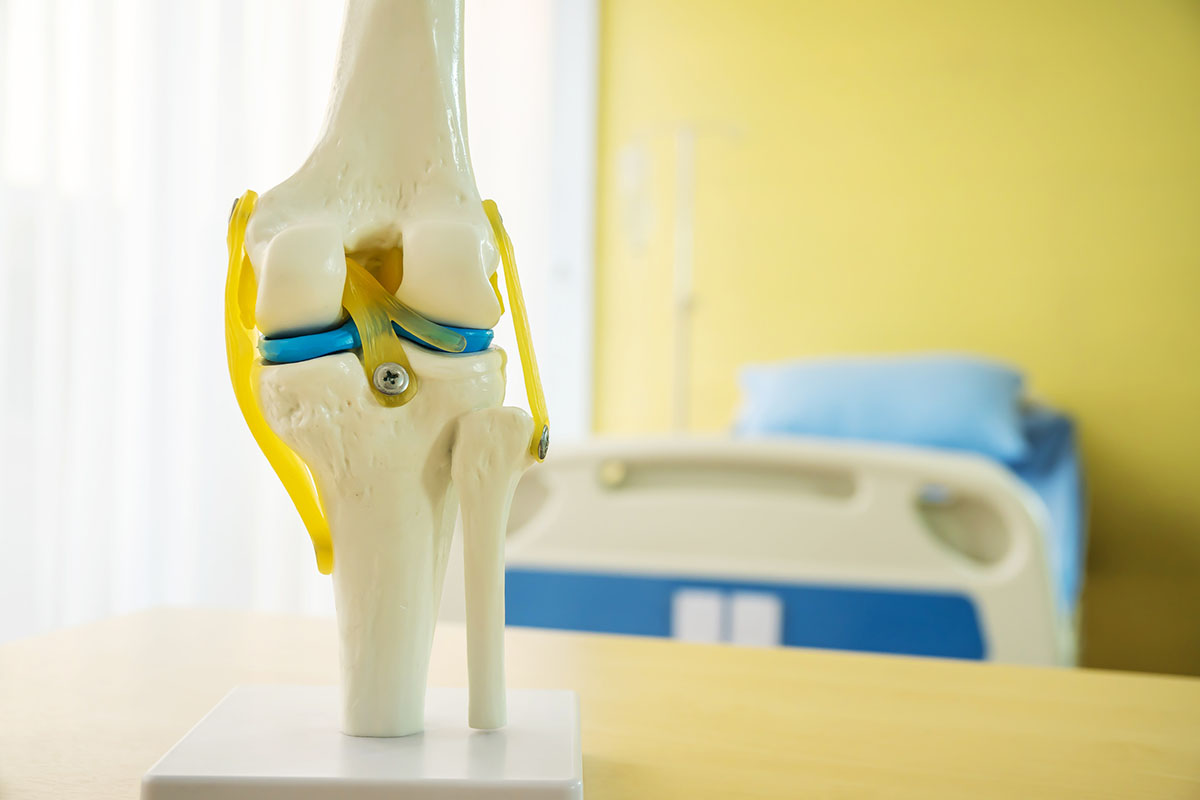
Knee osteoarthritis care has long relied on painkillers, injections and, eventually, joint replacement. Eli Lilly's retatrutide now offers a different route: take enough weight off the joint and pain falls with it. Full Phase 3 results published in The New England Journal of Medicine show large weight loss and meaningful pain relief in people with obesity and knee arthritis. The harder question is commercial. Many of the patients who could benefit are of working age, and the employer plans that cover them have been limiting access to this drug class rather than expandinghave been holding back on to this drug class rather than opening it.nbsp;it.
What TRIUMPH-1 Actually Showed
As Healio reported, TRIUMPH-1 randomized 2,339 adults with obesity and without diabetes, across 121 sites in 11 countries, to once-weekly retatrutide at 4 mg, 9 mg or 12 mg, or to placebo, for 80 weeks. Mean body weight fell 17.6%, 23.7% and 25.0% across the three doses, compared with 3.9% on placebo. The trial included 574 participants with moderate-to-severe knee osteoarthritis and 243 with obstructive sleep apnea. Lead author Ania M. Jastreboff of Yale School of Medicine and colleagues wrote that retatrutide "resulted in a reduction in pain of up to 61.6%," and that participant-reported outcomes pointed to better quality of life, including physical function and psychosocial domains.
The detailed pain data, summarized by HCPLive, show WOMAC pain scores falling 3.2, 3.5 and 3.6 points on the three doses at week 80, against 1.9 points on placebo. The placebo-adjusted differences were 1.6 points at 9 mg and 1.8 points at 12 mg, both significant (P<.001). That placebo response is worth noting: nearly two points of improvement came from trial participation alone, so the drug-attributable effect is real but smaller than the headline percentage suggests. Overall, 84.7% of participants completed the trial. Discontinuation for any reason reached 11.1% on the 12 mg dose versus 4.6% on placebo, and the most common side effects were mild-to-moderate gastrointestinal events consistent with existing GLP-1 drugs.
A Large Population Built on a Modifiable Risk
The market behind these numbers is enormous. The Global Burden of Disease analysis in The Lancet Rheumatology, as AJMC summarized, estimated that about 595 million people, or 7.6% of the world's population, had osteoarthritis in 2020. Knee cases are projected to grow by nearly 75% by 2050, and high body mass index contributes more than 20% of the osteoarthritis burden. That last figure is what makes an obesity drug relevant to joint disease at all: weight is one of the few risk factors medicine can actually move and TRIUMPH-1 shows a drug moving it far enough to register on a pain scale.
Coverage Is Moving the Other Way
The evidence is arriving as employer coverage stalls. The KFF 2026 Employer Health Benefits Survey found that only 18% of firms with 200 or more workers that offer health benefits cover GLP-1 drugs when used primarily for weight loss, roughly flat from 19% a year earlier. Coverage rises with size, from 16% of firms with 200 to 999 workers to 33% of those with 5,000 or more. Among firms that do not cover the drugs, 79% say they are not likely to start in the next year, and 12% stopped covering them in the past twelve months.
Cost is the reason. Among covering firms, 29% say the drugs have had a significant impact on prescription drug spending, a share that climbs to 61% at firms with 5,000 or more workers. Employers that keep covering are adding conditions: 40% now require enrollees to meet with a dietitian, case manager or therapist, or to join a lifestyle program, before coverage applies. At the largest firms that share jumped to 59% from 34% a year earlier, while average family premiums reached $28,303, up 5%. For a knee osteoarthritis patient, that means access to a drug like retatrutide, once approved, is likely to run through an obesity benefit most employers do not offer, gated by programs that were not designed with joint pain in mind.
What Life Sciences Leaders Should Do Now
- Lead with placebo-adjusted results: Payers will discount the up-to-61.6% headline once they see a 1.9-point placebo response, so evidence dossiers should anchor on the 1.6- to 1.8-point adjusted differences and what they mean clinically.
- Build the joint case separately from the weight case: With only 18% of larger employers covering GLP-1 drugs for weight loss, an osteoarthritis pain and function argument may open doors that an obesity indication alone will not.
- Design for the lifestyle-program gate: Since 40% of covering firms now require dietitian, case manager or lifestyle participation, manufacturers and partners should make sure those programs include joint-friendly exercise and physical therapy options.
- Track function, not just pain and pounds: TRIUMPH-1 reported gains in physical function and psychosocial domains, and real-world studies should follow work capacity, mobility and mental health to support value claims.
- Plan for tolerability at the top dose: Discontinuation reached 11.1% on 12 mg versus 4.6% on placebo, so titration support and side-effect management will shape real-world persistence.
- Model total spend, not drug spend: With 61% of the largest covering employers reporting a significant prescription cost impact, offsets in pain management, imaging and surgery need to be quantified with claims data before contracting talks.
TRIUMPH-1 makes the strongest case yet that an obesity drug can relieve a joint disease that affects hundreds of millions of people. Turning that into treated patients depends on evidence that speaks to pain and function, not weight alone, and on benefit designs that have so far been moving away from this drug class rather than toward it.