Key Takeaways
- Within two months of its July launch, 600,000 seniors had used Medicare's $50-a-month GLP-1 access and saved a combined $216 million, according to the White House.
- The Bridge runs through December 31, 2027, and requires prior authorization confirming lifestyle counseling, but sets no requirement for strength training or nutrition support.
- Roughly 25% of weight lost on any intervention is lean mass, and with higher-dose GLP-1 drugs that share can climb to 40% or more.
- In a matched study of 73,483 patients, GLP-1 users had a 29% higher relative risk of osteoporosis over five years, while 1 in 4 older adults already fall each year.
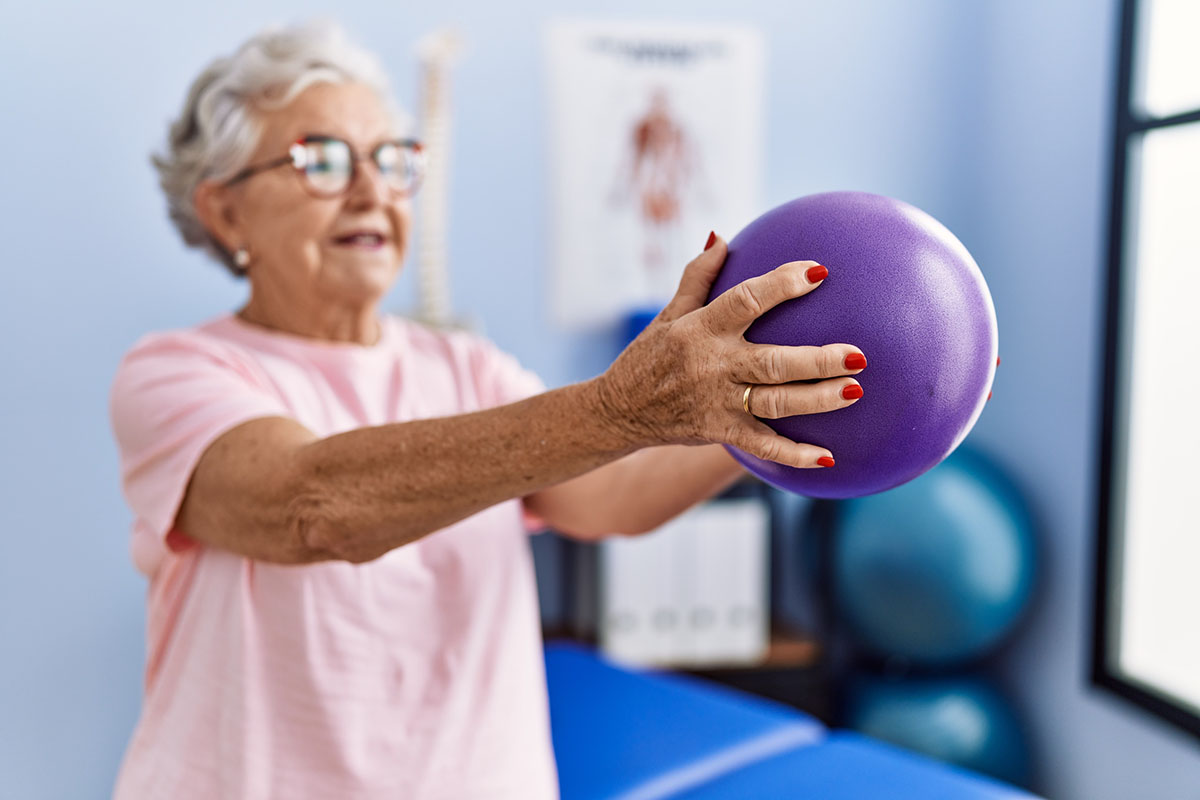
Medicare spent years refusing to pay for weight-loss drugs. When it finally opened the door, seniors walked through it fast. The White House said on September 18 that within two months of the program's July launch, 600,000 seniors had saved a total of $216 million on GLP-1 medicines through the $50-a-month offer. For drugmakers, that is a volume story, and STAT reported that Novo Nordisk may be getting a better deal from the program than analysts expected. For the clinicians, health plans and post-acute providers who care for these patients, it is a different story. Older adults have the least muscle to spare, and the program pays for the weight loss without asking what happens to the muscle.
What the Bridge Covers, and What It Asks
The Medicare GLP-1 Bridge runs from July 1, 2026, through December 31, 2027, according to the National Council on Aging. Beneficiaries in a Part D or Medicare Advantage plan pay $50 for a one-month supply of Lilly's Foundayo pill, Wegovy in injectable or oral form, or the Zepbound KwikPen. Eligibility is tiered by body mass index: 35 or higher on its own, 30 or higher with heart failure, uncontrolled hypertension or kidney disease, or 27 or higher with a prior stroke, prior heart attack, prediabetes or peripheral artery disease. The $50 copay does not count toward the Part D deductible or the annual out-of-pocket cap, and the program is explicitly temporary, a bridge to the broader BALANCE Model that follows it.
The one clinical guardrail is at the front door. Prescribers must submit a prior authorization confirming that the patient received lifestyle counseling. That is a reasonable check for a younger population, where the main risk of stopping a GLP-1 is regaining weight. For a 72-year-old with heart failure and a BMI of 31, the risk profile is different, and a counseling attestation says nothing about whether anyone is watching grip strength, gait or bone density.
The Lean Mass Problem Gets Worse With Age
Weight loss is never pure fat. Roughly 25% of weight lost through any intervention, whether diet, drugs or surgery, comes from lean body mass, clinicians told AJMC in June. With higher-dose GLP-1 compounds, that proportion can climb to 40% or more. Each kilogram of muscle lost also lowers resting energy expenditure by about 13 kilocalories a day, which helps explain why weight often returns when treatment stops. The same discussion pointed to what works: protein intake of 1.2 to 1.6 grams per kilogram per day, and supervised training, which in the S-LITE trial let patients on liraglutide actually gain lean mass, something drug therapy alone did not achieve. Involving registered dietitians can also cut discontinuation rates by as much as 5 to 10%.
Bone is the second concern. In research presented at the 2026 American Academy of Orthopaedic Surgeons annual meeting, a matched analysis of 73,483 patients followed for five years found osteoporosis in 4.1% of GLP-1 users versus 3.2% of controls, a relative risk of 1.29. Osteomalacia, a softening of bone, appeared in 2% of users against 0.1% of controls. The same meeting also heard encouraging news, including lower odds of emergency department visits after several orthopaedic surgeries among GLP-1 users, so the picture is not one-sided. But muscle and bone are exactly what keep an older adult upright.
That matters because falls are already the leading cause of fatal and nonfatal injuries among older adults. Fourteen million Americans 65 and older, or 1 in 4, fall each year, according to the National Council on Aging, and older adult falls drove 3 million emergency department visits and 38,000 deaths in 2021. Nonfatal falls cost $80 billion in 2020, and Medicare paid 67% of that bill. A program that could put hundreds of thousands more seniors on drugs that shed lean mass, without a matching plan to preserve it, risks sending Medicare a second invoice for the weight it just paid to remove.
Why Drugmakers Should Care Before CMS Does
The Bridge exists partly so CMS can learn how these drugs are used before it designs permanent coverage. That makes the next 15 months an evidence window. If the data that emerge show rising fall-related admissions or fractures among Bridge enrollees, the BALANCE Model could arrive with tighter criteria, mandatory monitoring or narrower eligibility. If sponsors instead show that pairing treatment with resistance training and protein targets preserves function, they strengthen the case for durable coverage. Real-world evidence on function, not just pounds lost, will shape what Medicare pays for after 2027.
A Playbook for Sponsors, Plans and Providers
- Measure function, not just weight. Add grip strength, gait speed or chair-stand tests to post-marketing studies and registries covering older patients.
- Build muscle support into the benefit. Plans and PBMs can pair the $50 fill with covered physical therapy or exercise programs and protein counseling at the 1.2 to 1.6 g/kg range cited by clinicians.
- Screen bone health at initiation. For older patients with existing fracture risk, a bone density check before starting treatment is inexpensive relative to a hip fracture.
- Track falls as an outcome. Health plans can flag fall-related ED visits and admissions among GLP-1 users in claims data now, while the program is still young.
- Close the post-acute loop. When an older GLP-1 user is discharged to a skilled nursing facility or home health, the medication and its muscle risk should travel with the care plan.
- Fund the evidence before BALANCE. Sponsors that generate function and fracture data during the Bridge will have a say in how permanent coverage is written.
The Bridge proves that older Americans want these medicines and will use them when the price is right. The next question is whether the system prescribing them can protect the muscle and bone that keep those patients independent. Six hundred thousand enrollees is a strong start. Whether it becomes a success story depends on what the data show about how many of them are still walking steadily when the program ends.